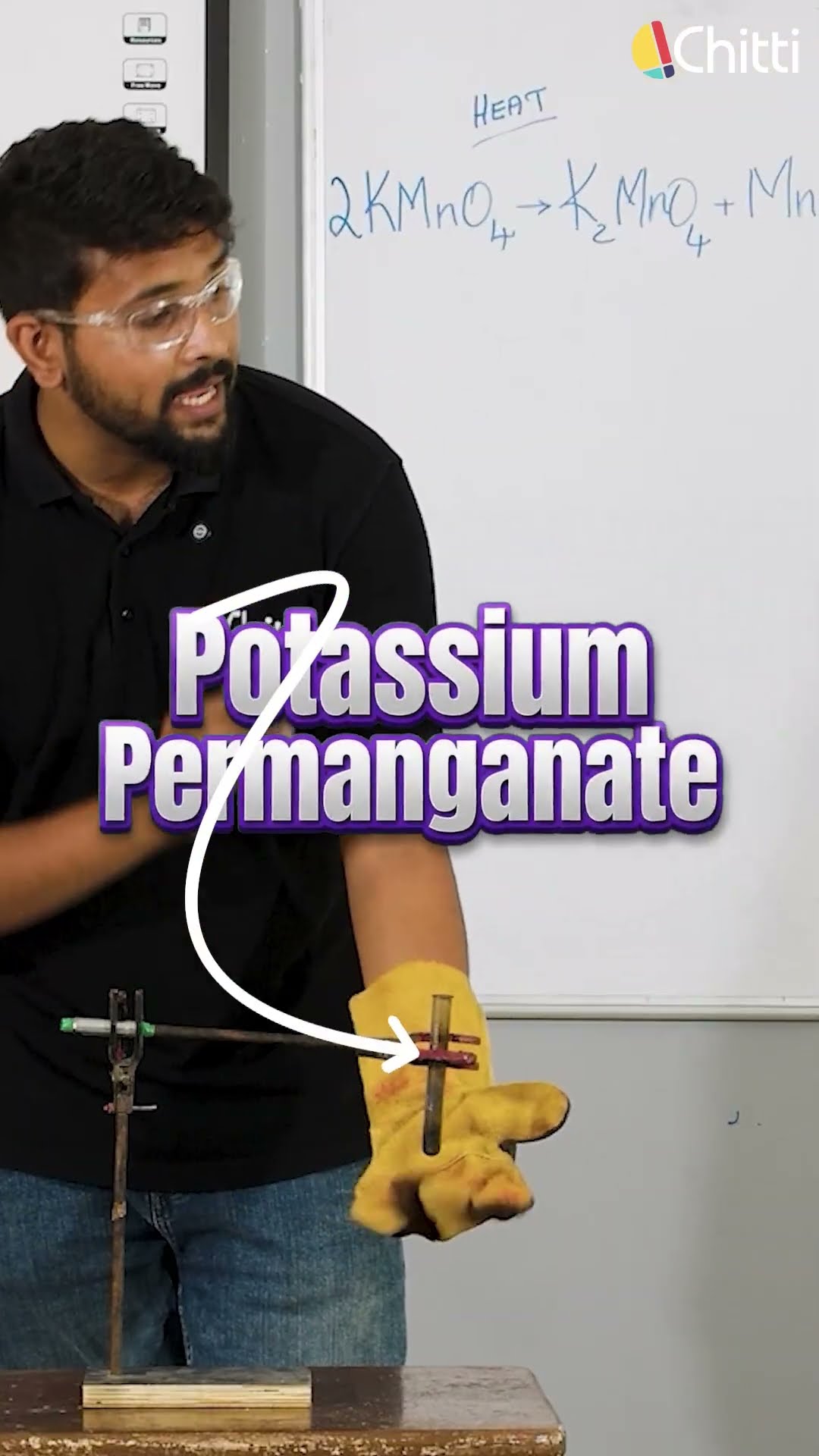
The age group of 8 to 12 is the sweet spot for science kit experiments. Kids are old enough to understand complex concepts but young enough to maintain that sense of wonder that makes science magical.
My daughter Emma is 10, and watching her progress from simple volcano experiments to building working robots has been incredible. At this age, kids can handle multi-step projects, understand cause and effect, and even start thinking like real scientists.
Why This Age Group is Perfect for Science Kits
Kids aged 8-12 have developed fine motor skills needed for detailed experiments. They can read and follow instructions independently while still finding hands-on activities more engaging than textbooks.
Their curiosity is at its peak. They ask “why” and “how” constantly, making this the ideal time to introduce scientific thinking and methodology. They’re also old enough to understand safety rules and follow them consistently.
Top Science Kit Categories for 8-12 Year Olds
Advanced Chemistry Sets At this age, kids can safely handle more complex chemical reactions. Look for kits that create color changes, temperature effects, and even safe explosions. These experiments teach molecular behavior, chemical bonding, and reaction types.
Electronics and Robotics Kits Building circuits becomes fascinating at this age. Kids can create working gadgets, understand electrical flow, and even program simple robots. These kits bridge the gap between play and real engineering skills.
Physics Exploration Sets Concepts like magnetism, gravity, and energy transfer make sense when demonstrated through hands-on experiments. Physics kits for this age group include building machines, exploring forces, and understanding motion.
Microscopy and Biology Kits The invisible world becomes accessible through microscopes designed for young scientists. These kits often include prepared slides, tools for making new slides, and guides for exploring the microscopic universe.
Specific Kit Recommendations
The Complete Chemistry Laboratory This comprehensive kit includes safe chemicals for dozens of reactions. Kids learn about acids, bases, crystallization, and color chemistry through experiments that create spectacular visual effects.
Solar Car Kit Engineering Building cars that run on sunlight teaches renewable energy, basic mechanics, and engineering principles. Kids can modify designs, race their creations, and understand how sustainable technology works.
Advanced Electronics Kit With components to build radios, alarms, and light displays, these kits introduce electrical engineering concepts. Kids learn about circuits, resistance, and how electronic devices actually function.
Crystal Growing Laboratory More sophisticated than basic kits, these sets create multiple types of crystals in various colors and formations. The process teaches patience, observation skills, and molecular structure concepts.
Robotics Building Set Age-appropriate robotics kits allow kids to build and program simple robots. These projects combine mechanical engineering with basic coding, preparing kids for future technology careers.
Skills Development Through Science Kits
Critical Thinking At 8-12, kids can analyze why experiments work or fail. They learn to troubleshoot problems, modify procedures, and draw conclusions based on observations.
Mathematical Applications Science experiments naturally incorporate math concepts. Measuring, calculating ratios, and understanding proportions become practical skills rather than abstract concepts.
Reading Comprehension Following detailed instructions improves reading skills while building scientific vocabulary. Kids learn specialized terms in context, making them easier to remember and understand.
Project Management Multi-session experiments teach planning, organization, and time management. Kids learn to break complex projects into manageable steps and see them through to completion.
Safety Considerations for This Age Group
Supervised Independence 8-12 year olds can handle many experiments independently but still need adult supervision for certain activities. Clear guidelines help both kids and parents know when help is needed.
Chemical Safety Even child-safe chemicals require proper handling. Kids this age can learn and follow safety protocols, making chemistry experiments both safe and educational.
Tool Usage Age-appropriate tools allow kids to do real work while maintaining safety. Look for kits with tools designed specifically for young hands.
Educational Benefits Beyond Science
Confidence Building Successfully completing complex experiments builds self-confidence. Kids realize they can understand and create amazing things, boosting confidence in all areas of learning.
Communication Skills Explaining experiments to friends and family improves verbal communication. Writing in science journals develops written expression and observation skills.
Cultural Awareness Learning about scientists from different backgrounds and cultures broadens perspectives while building scientific knowledge.
Choosing the Right Difficulty Level
Assessment Questions Can your child follow multi-step instructions? Do they show patience with projects that take time? Are they interested in understanding how things work? These questions help determine appropriate complexity levels.
Progressive Complexity Start with moderately challenging kits and increase difficulty as skills develop. Success builds motivation for tackling more complex projects.
Interest-Based Selection A child fascinated by space might love astronomy kits, while a future doctor might prefer biology experiments. Matching kits to interests increases engagement and learning.
Long-Term Learning Benefits
STEM Career Foundation Early positive experiences with science often lead to STEM career interests. These formative years can shape future educational and career choices.
Scientific Literacy Understanding scientific concepts helps kids make informed decisions throughout life. Science kit experiments build the foundation for lifelong scientific thinking.
Problem-Solving Skills The experimental process teaches systematic problem-solving that applies to all areas of life. Kids learn to observe, hypothesize, test, and conclude.
Maximizing the Experience
Document Everything Encourage kids to keep science journals with photos, observations, and conclusions. This reinforces learning and creates lasting memories of discoveries.
Connect to School Learning Relate experiments to classroom topics. This reinforces school lessons while making textbook concepts come alive through hands-on experience.
Share Discoveries Encourage kids to demonstrate experiments for friends and family. Teaching others reinforces understanding and builds presentation skills.
The ages of 8-12 represent a golden opportunity for science education. The right science kits can transform curious kids into confident young scientists ready to tackle any challenge the world presents.